
Why Does Indian Classical Music Still Matter Today?
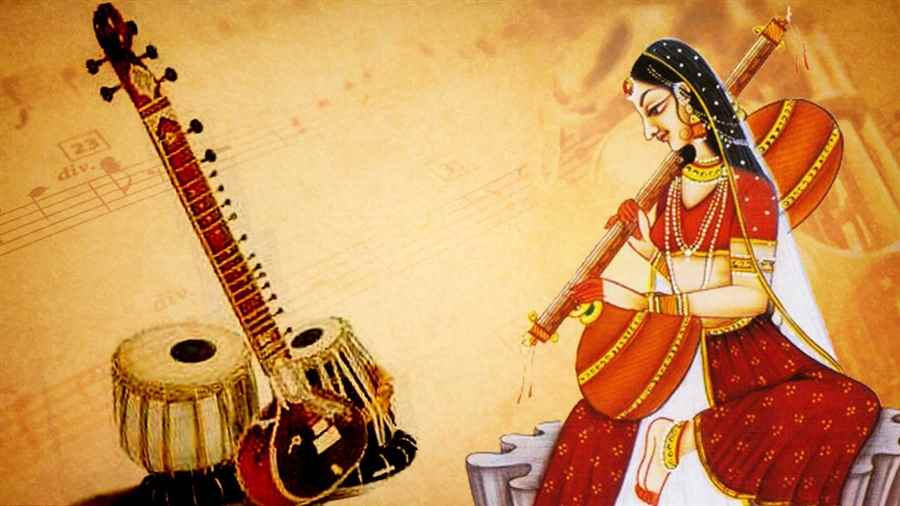
Indian classical music is one of the oldest music traditions in the world.
It is not just about sound. It is about emotion, culture, and expression.
Even today, many people listen to music for peace, focus, and inspiration.
Some people think it is difficult. But once you understand the basics, it becomes simple and enjoyable.
This guide will help you learn music in an easy and friendly way.
What Is Indian Classical Music in Simple Words?
Raga and tala are the two main parts of traditional music.
A raga is the melody, and a tala is the rhythm.
This music focuses on expressing feelings rather than just following fixed rules.
Artists can also improvise, which means they can create music in their own unique way.
What Are the Main Features of Indian Classical Music?
- It is based on ancient traditions.
- It focuses on emotions and mood.
- It includes both singing and instruments.
- It allows creativity and improvisation.
How Did Indian Classical Music Develop Over Time?
The history of music is long and rich. Over the course of thousands of years, it has grown and changed.
How Did It Start in the Vedic Period?
Hindustani music began with the Vedas, especially the Samaveda.
People used chants from music in religious ceremonies, and they were the basis for musical notes.
What Happened During the Mughal Period?
Hindustani music got better during the Mughal era.
Famous musicians like Tansen helped shape its style and performance.
How Has It Evolved in Modern Times?
Today, Hindustani music is performed worldwide.
It is also combined with modern styles to create fusion music, which attracts younger audiences.
What Are the Types of Indian Classical Music?
Indian classical music has two main styles: Hindustani and Carnatic.
What Is the Difference Between Hindustani and Carnatic Music?
Hindustani Indian music is popular in North India and focuses more on improvisation.
Carnatic music comes from South India and follows a more structured pattern.
Both pieces of music are beautiful and important in their own ways.
What Is a Raga in Indian Classical Music?
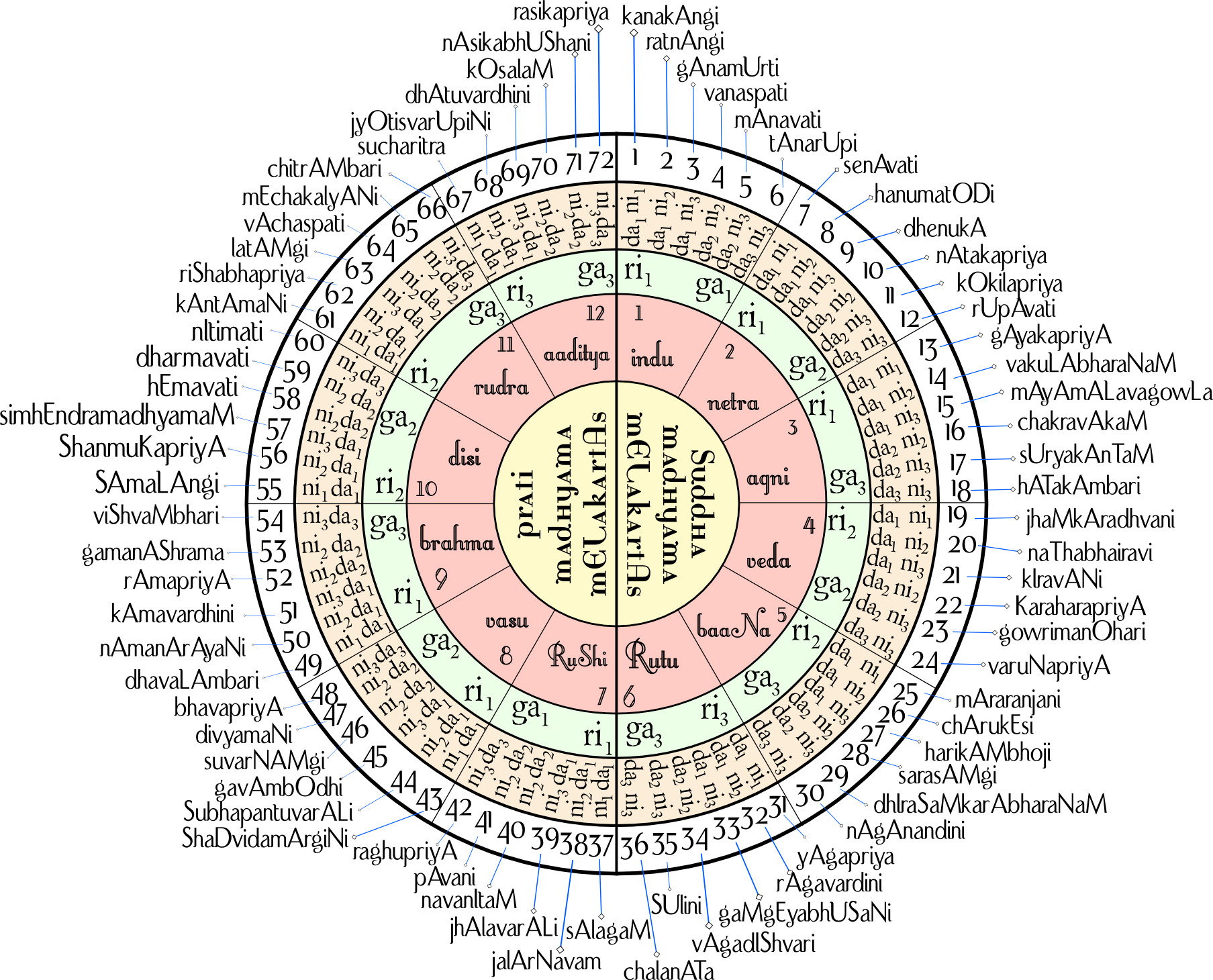
A raga is a group of musical notes that creates a specific mood or feeling.
Each raga is special and is often linked to a time of day or season.
For example, some ragas create calm feelings, while others feel romantic or energetic.
This is what gives music its own sound and feeling.
What Is Tala and Why Is It Important?
Tala is the rhythm or beat used in Bharatiya music.
It helps keep the music in time.
What Should You Know About Tala?
- It follows repeating patterns.
- It controls the flow of music.
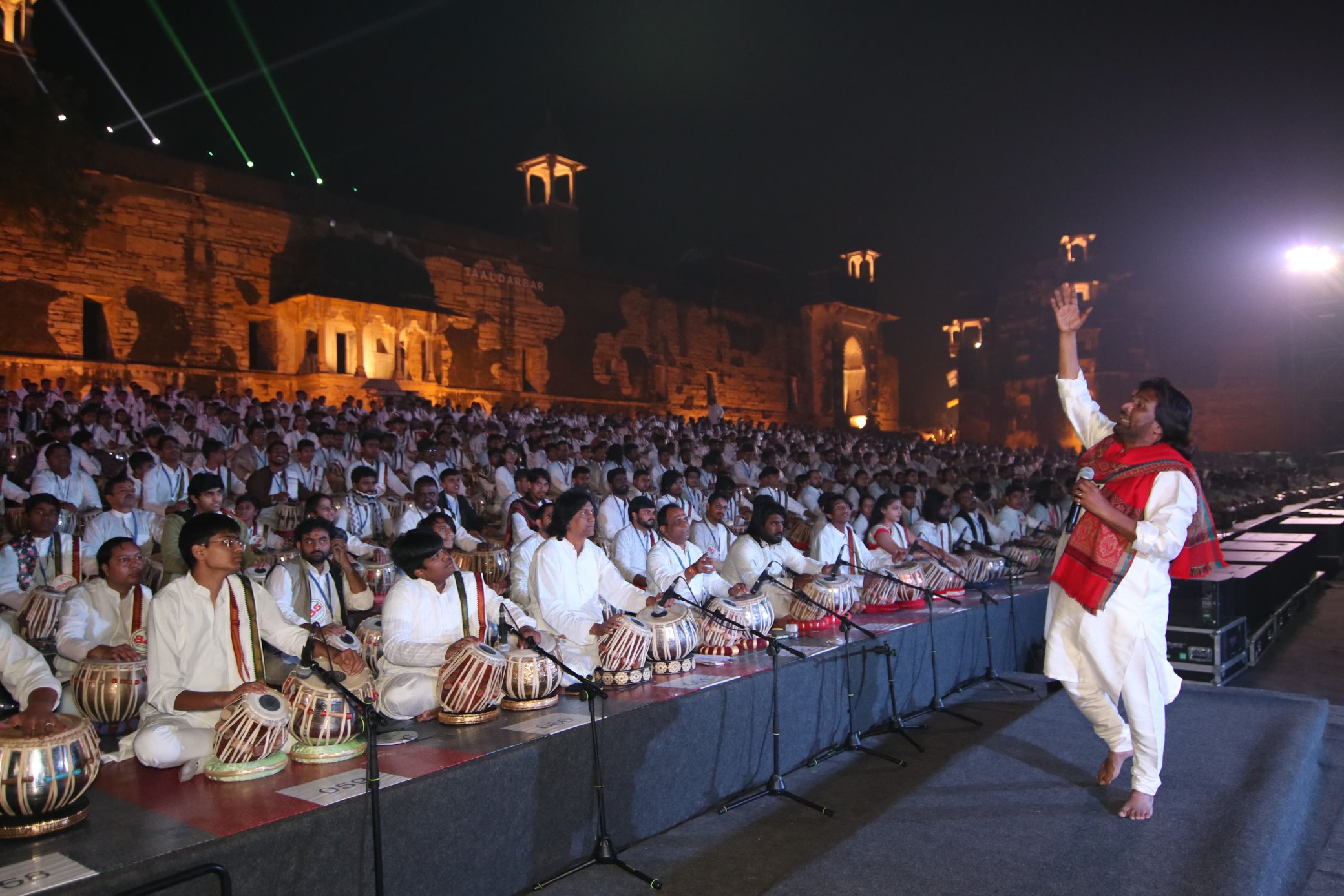
- It is played using instruments like the tabla.
Which Instruments Are Used in Indian Classical Music?
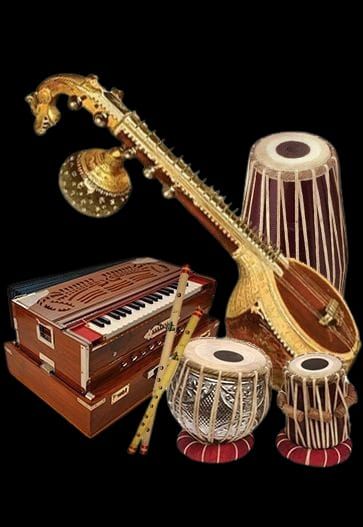
Indian classical music uses many traditional instruments.
What Are the Popular String Instruments?
In classical music, people often use the sitar, sarod, and veena.
What Are the Main Percussion Instruments?
Tabla and mridangam are used to create rhythm and beats.
What Are the Common Wind Instruments?
The flute and the shehnai are popular wind instruments.
Who Are the Famous Indian Classical Musicians?
Many great artists have made Bharatiya classical music known all over the world.
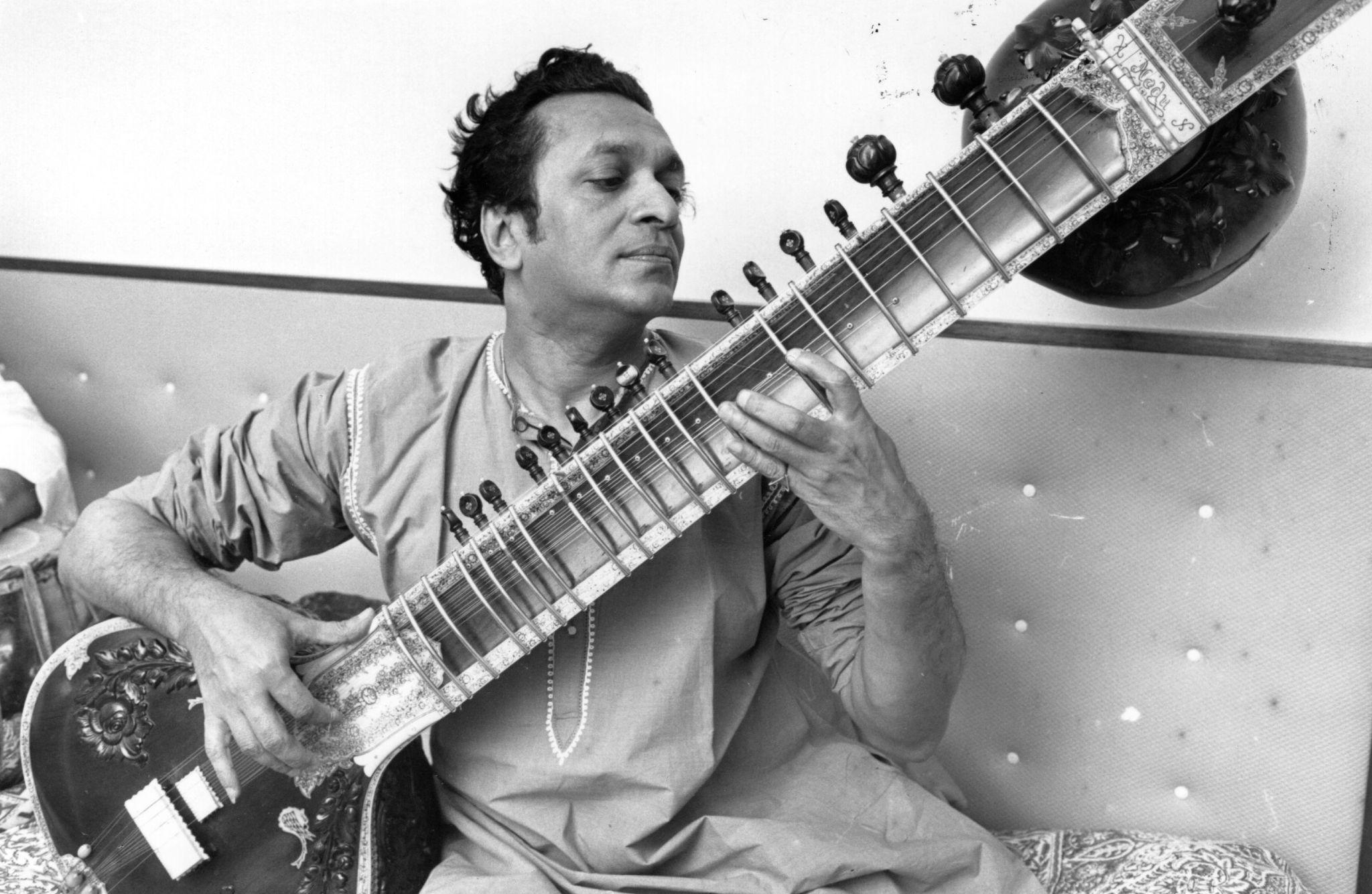
- Ravi Shankar
- Bhimsen Joshi
- M. S. Subbulakshmi
That music still moves people who learn about it and listen to it today.
How Can Beginners Start Learning Indian Classical Music?
Finding out that following simple steps makes learning music easier.
What Steps Should You Follow as a Beginner?
- Start with basic ragas.
- Learn simple talas.
- Practice daily for a short time.
- Listen to experienced musicians.
- Learn from a good teacher if possible.
What Is a Simple Daily Practice Routine?
A daily routine can help you improve faster.
How Should You Practice Every Day?
Practice basic notes for 10 minutes.
Then practice one raga for 10 minutes.
Finally, focus on rhythm for 10 minutes.
Consistency is more important than long practice.
How Is Indian Classical Music Different from Western Music?
Hindustani music is all about feelings and making things up on the spot.
Most of the time, Western music has set compositions and structures.
This makes Indian classical music more flexible and expressive.
What Are the Benefits of Listening to Indian Classical Music?
That music can make your life better in a lot of ways.
It helps you unwind and lowers your stress.
It helps you focus and pay attention.
It also helps you be more creative and emotionally stable.
What Are the Common Myths About Indian Classical Music?
A lot of people don’t understand that music.
Some people think it’s only for experts. This isn’t correct. It’s also possible for beginners to learn it.
Some people think it’s boring. But once you get it, it’s really interesting.
Why Is Indian Classical Music Still Relevant Today?
Bhartiye music is still important in the world today.
People use it in movies, fusion music, and even when they meditate.
A lot of young artists are also looking at it in new ways.
This shows that Hindustani music is timeless and always evolving.
What Is the Conclusion About Indian Classical Music?
That music is a lovely blend of old and new.
It brings people together through culture, feelings, and peace.
It has something special for everyone, whether you want to learn it or just enjoy it.
FAQ – Common Questions About Indian Classical Music
Q. What does traditional music mean?
Ans. It is a traditional music system based on raga (melody) and tala (rhythm).
Q. What are the two types of Indian classical music?
Ans. Hindustani and Carnatic are the two main types.
Q. What is a raga?
Ans. A raga is a set of musical notes used to create a mood.
Q. Is it hard to learn Hindustani music?
- No, it gets easier with practice and help.
Q. What instruments are used in this music?
Ans. Sitar, tabla, flute, veena, and mridangam are commonly used.
Q. What makes Bharatiya music different from Western music?
Ans. It focuses more on emotion and improvisation.
Q. What makes Hindustani music so important?
Ans. It helps in relaxation, focus, and cultural understanding.